Elevated CDC · Developer Training

JumpStart Sussex: The Developer Challenge

Take a fictional Sussex County parcel from contract to keys. Make the calls a real developer faces — contingencies, wetlands, zoning, capital, bids, the exit — and live with the consequences.

Sign in with your name, your business or organisation, and whether you develop as a nonprofit or a for-profit. Your run, your score and your place on the leaderboard follow your account.

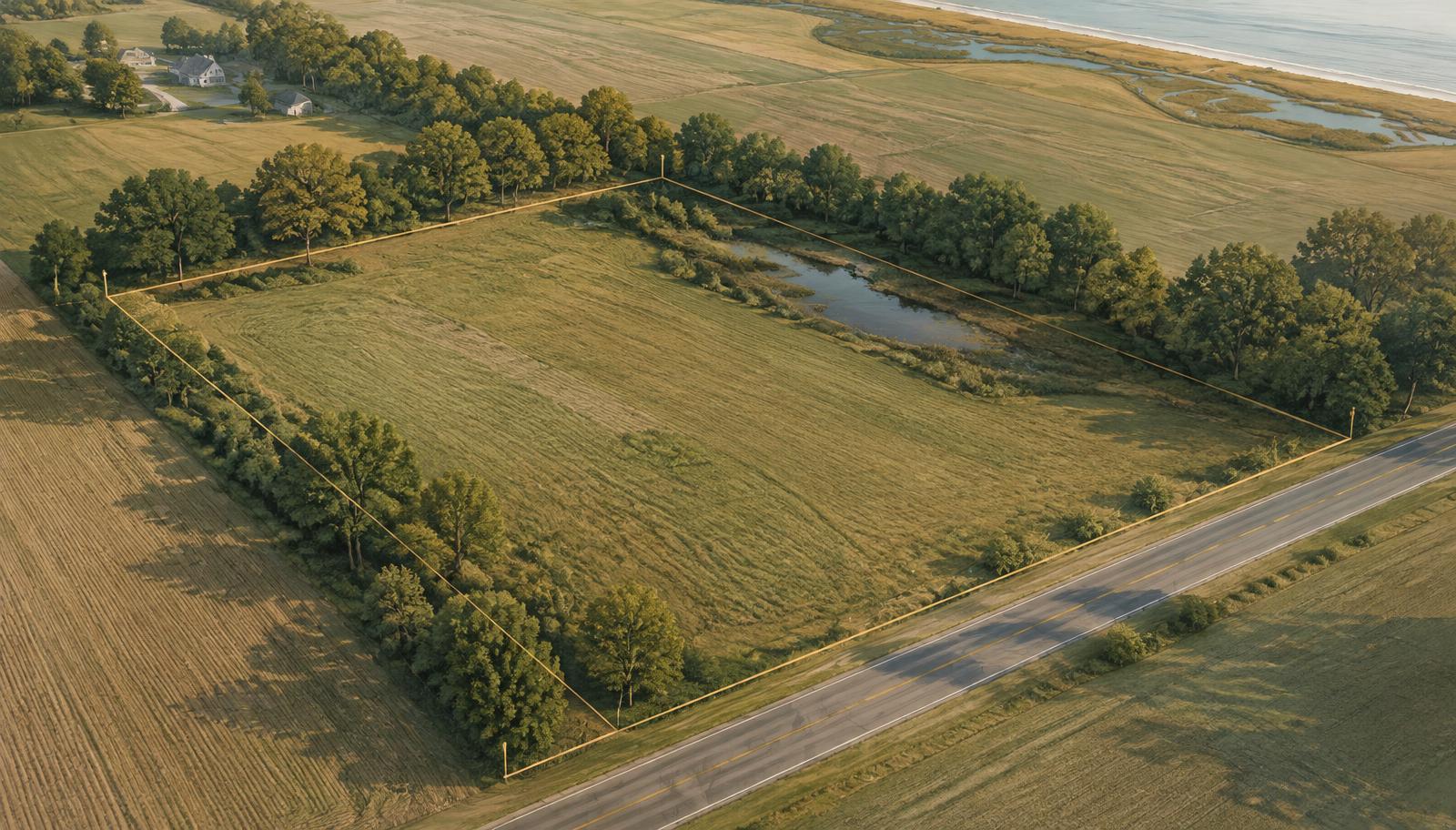
Illustration of a two-acre parcel at the edge of a small town, with fields, a tree line and a road

Six stages, one project

Every run moves through the same six stages. What changes is the site, your numbers, and the decisions you make inside each stage.

  1. 1

    Acquisition

  2. 2

    Due Diligence

  3. 3

    Entitlements & Utilities

  4. 4

    Capital Stack

  5. 5

    Design & Approvals

  6. 6

    Build, Exit & Present

Three parcels, three different problems

All fictional. All figures illustrative. Pick one, and the decisions that follow are the ones that site actually creates.

2.0 acres

Millbrook Road

Two farmed acres at the edge of town

  • Zoning allows about 4 units per acre by right — your program needs more
  • Central sewer ends roughly 900 feet away
  • A low, wet pocket along the tree line may be jurisdictional
  • A former equipment shed could mean a buried tank

Illustrative: $380K asking · 14 homes · $3.20M total development cost

1.1 acres

Harborview Infill

A constrained waterfront block with historic character

  • A historic district design review applies to every facade in this fiction
  • The site sits in a flood-prone coastal area
  • The shared access easement is narrower than the layout would ideally need
  • A derelict structure requires assessment for lead and asbestos
  • Assumed parking counts compete with ground-floor commercial

Illustrative: $620K asking · 10 homes · $4.10M total development cost

8.5 acres

Cedar Neck

8.5 rural acres of legacy farmland

  • No public water or sewer available; requires on-site septic and wells
  • Inside an agricultural preservation district with right-to-farm protections
  • County road access requires significant sight-distance improvements
  • Soil percolation is variable across the site

Illustrative: $540K asking · 34 homes · $5.60M total development cost

Two ways to play

Individual

Developer Academy

Work a site at your own pace. Every decision is followed by what it actually cost you in cash, months, risk and approval readiness.

Teams

Developer Showdown

A team plays one site together, names itself, and competes on the shared leaderboard. The instructor sees every run and every decision behind it.

Nonprofit or for-profit — the game changes

Your developer type is chosen when you sign up and can be changed any time. It decides which options are put in front of you and how your work is weighted.

Nonprofit / mission-driven

Grants and tax-credit equity are on the table; a bulk sale to an investor is not.

  • Financial feasibility25
  • Due diligence & risk25
  • Approvals & execution20
  • Community impact20
  • Final presentation10

For-profit developer

Private equity and note offerings are on the table; a competitive grant round is not.

  • Financial feasibility35
  • Due diligence & risk25
  • Approvals & execution20
  • Community impact10
  • Final presentation10

The two weightings sit either side of the programme's standing split — 30 / 25 / 20 / 15 / 10 — so a cohort of mixed developers is still comparable.

How you are scored

100 points, decided entirely by the choices you made. Each category compares what you picked with the best option you were actually offered on the path you took — so a hard path is not punished for what it never offered. Crises cost you points; avoiding them is part of the skill.

Score categories and their weights for each developer type
CategoryNonprofitFor-profit
Financial feasibility2535
Due diligence & risk2525
Approvals & execution2020
Community impact2010
Final presentation1010
Total100100

Grades: Master Developer 85+, Seasoned Developer 70+, Emerging Developer 55+, Developer in Training below that.

When you finish

Your full report

Score by category, the ending position of the project, and every decision and crisis you met.

Replay for a better score

Run the same site again on the same numbers and beat your own result — or pick a different parcel and start a new problem.

The key

20 plain-language definitions, from ESA to will-serve letter. The ones that matter appear under each decision card too.

Your progress is saved to your own account on this device. If you sign in from another device, start a fresh run there — a run in progress does not follow you across devices.